

Understanding the psychological tricks that drive gambling behavior
The Allure of Uncertainty
The thrill of gambling often stems from the uncertainty surrounding the outcome. This unpredictability creates a psychological high, much like a roller coaster ride. Gamblers may find themselves drawn to the rush that comes with not knowing whether they will win or lose, leading to a cycle of risk-taking behavior. Websites that offer resources on the gaming industry, such as most trusted online casinos for usa players, can provide insights into safer practices and tips.

Furthermore, this uncertainty can lead to cognitive biases, such as the illusion of control. Many gamblers believe they can influence random outcomes, which reinforces their commitment to gambling. This false sense of agency can be powerful, propelling individuals to wager more money in hopes of securing a win.
Reward Mechanisms in the Brain
Gambling activates the brain’s reward systems, similar to how addictive substances operate. When a player wins, the brain releases dopamine, a neurotransmitter associated with pleasure and reward. This pleasurable feeling can become addictive, leading to a desire to gamble more often in pursuit of that high.
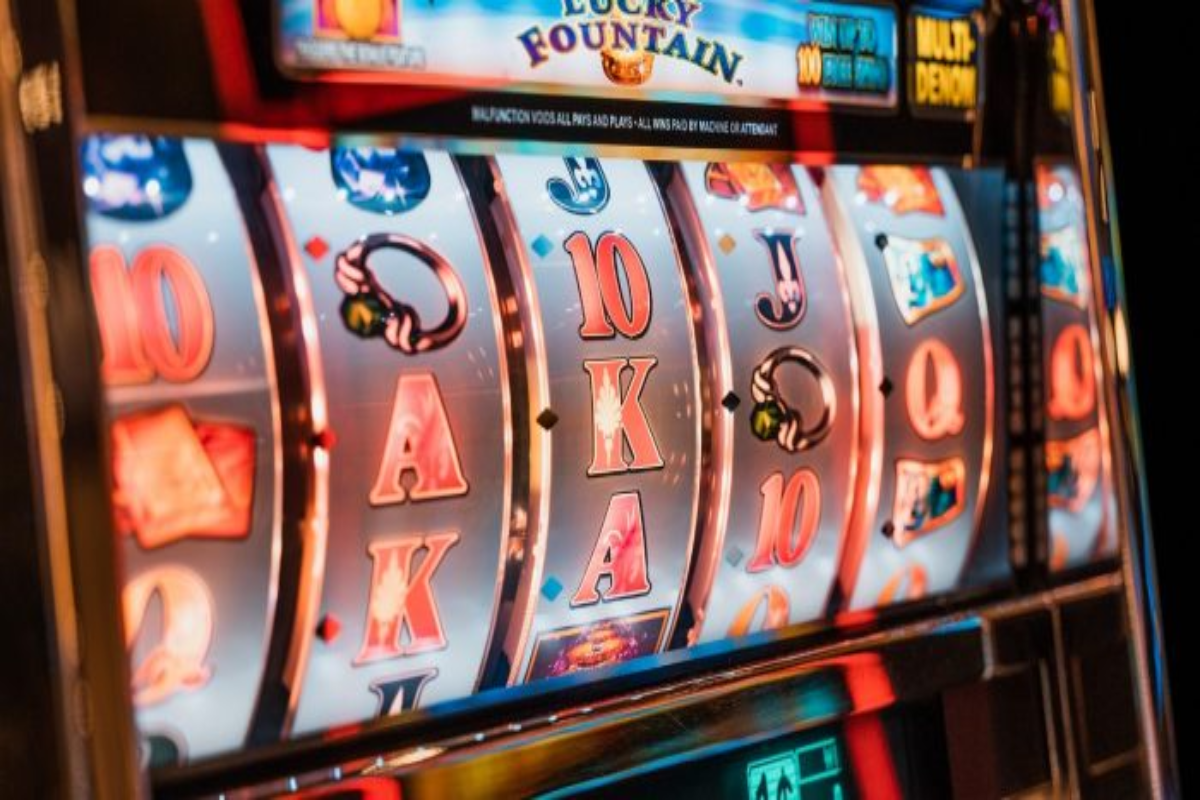
Moreover, the intermittent reinforcement schedule used in many gambling scenarios, such as slot machines, keeps players engaged. Winning sporadically creates a sense of excitement and anticipation, reinforcing the behavior. This unpredictable reward system can trap individuals in a cycle of gambling, as they continuously chase that next high.
Social Influences and Norms
Social factors play a significant role in gambling behavior. Peer pressure and societal norms can encourage individuals to participate in gambling activities, especially in environments where gambling is normalized or glamorized. Social circles that engage in gambling can create a sense of belonging and acceptance, further driving the behavior.
Additionally, marketing tactics in the gambling industry often target social experiences, making gambling seem like a fun and community-oriented activity. By framing gambling as a social event, it becomes more enticing, and individuals may overlook the potential risks associated with it.
The Role of Emotions and Coping Mechanisms
Emotional factors heavily influence gambling behavior. Many individuals turn to gambling as an escape from stress, anxiety, or depression. The act of placing bets can serve as a temporary distraction, providing a momentary reprieve from life’s challenges. Unfortunately, this coping mechanism can become maladaptive, leading to a cycle of reliance on gambling for emotional relief.
Additionally, winning can temporarily elevate mood, while losing can lead to feelings of despair. This emotional roller coaster can create a compulsive need to continue gambling, as individuals seek to recover losses or replicate past wins. Recognizing these emotional triggers is essential for understanding the motivations behind gambling behavior.
Empowering Responsible Choices
Understanding the psychological tricks that drive gambling behavior is crucial for promoting responsible gambling practices. Awareness of these factors can empower individuals to make informed decisions about their gambling habits. By recognizing the emotional, social, and cognitive influences, gamblers can better manage their actions and set healthy limits.
Moreover, resources and support systems are vital for those struggling with gambling addiction. Websites dedicated to providing information and assistance can serve as essential tools for individuals seeking to regain control over their gambling behaviors. Creating a safe space for discussion and education surrounding gambling can significantly reduce the stigma and encourage healthier choices.